

Running social media ads for Shopify stores comes with plenty of moving parts, from platforms to formats and strategies. When executed effectively, paid social campaigns can increase traffic to your website and Shopify mobile app, grow sales, and improve your store’s presence in a measurable, sustainable, and predictable way.
In this guide, we’ll cover everything you need to know to make your social media ads work harder for your business, including:
- Why social media ads matter for Shopify stores
- Top platforms to use, including Meta, TikTok, and Pinterest
- Planning your campaigns, from targeting and product setup to tracking
- Tips for creating effective ads, including creative, retargeting, and scaling strategies
- Budgeting and optimization to get the most from your ad spend
Let’s jump in…

What is social media advertising for Shopify stores?
Social media advertising for Shopify stores focuses on promoting products through paid placements on platforms like Facebook & Instagram (Meta), TikTok, and Pinterest. The main goal is to put your products in front of people who are most likely to care about and be interested in them.
These platforms let you reach customers based on interests, online behavior, and how they’ve interacted with your store before. This shifts your ad spend away from just broad exposure and toward shoppers who are actually more inclined to buy. Instead of waiting for the right customer to find you, your product appears directly in their feed.
Social ads work for both immediate results and longer-term growth. In the short term, they can encourage purchases when a shopper sees a product that fits what they’re looking for. Over time, this can build remarketing audiences, bring back warm visitors who maybe didn’t convert, and run dynamic campaigns that show people the exact products they viewed or added to cart.
What’s more, you can scale your ad spend in a controlled, predictable way, so the results build steadily rather than spike and disappear; social advertising is built to grow alongside your store.

What are the advantages of social media advertising?
Immediate and scalable reach
Social media ads can get your products in front of the right people fast. Whether you’re testing a new launch or promoting a bestseller, you can start small, see what resonates, and expand from there. Growth feels more controlled, yet flexible enough to scale quickly when something works.
Advanced audience targeting & retargeting
The real power comes from precision. You can target users by demographics, interests, behaviors, or even past activity on your store. Retarget visitors who abandoned carts or create lookalike audiences from your best customers to make sure every dollar reaches people most likely to buy. Many platforms even optimize automatically, so campaigns improve over time without you having to use guesswork.
Fast traffic and sales potential
Social ads can drive clicks and purchases almost immediately. Shopify stores benefit from campaigns that give quick feedback and faster ROI. 65% of users click on ads when they’re ready to make a purchase, and social commerce even lets shoppers browse and buy without leaving the platform, turning attention into sales.
Brand awareness and trust
Social advertising is about growing your Shopify sales, but ads also do more, they build long-term brand recognition. Repeated exposure in feeds builds credibility, so potential buyers feel more comfortable clicking, trusting, and ultimately purchasing from your store - this visibility can turn into a regular part of your audience’s shopping habits.
Measurable, data-driven results
Metrics like impressions, clicks, conversions, and CPAs (Cost Per Actions) show exactly what’s working. With this data, you can tweak campaigns, justify spend, and even forecast growth. Each campaign becomes a learning opportunity, helping you make smarter, more informed decisions.
The ability to fit into your wider Shopify growth strategy
Social ads shine on their own, but they work even better alongside other channels. One of their biggest advantages is how easily they integrate with your overall marketing strategy. They amplify reach to your website and Shopify mobile app, support organic growth strategies like SEO, and complement email, organic social, or influencer partnership campaigns.

What are the best social advertising platforms for Shopify stores?
Meta Ads (Instagram & Facebook)
Meta Ads are a top choice for Shopify stores thanks to their massive audience - that’s over 3 billion users. With Meta’s detailed targeting options, you can reach shoppers based on interests, behaviors, and past activity, making every dollar spent cost.
Meta supports a variety of ad formats, including Reels, Carousel, and Collection ads, which can be managed directly through the Facebook & Instagram apps for Shopify. With integrated shopping features and a visually focused design, Meta Ads are perfect for showcasing products, building brand awareness, and earning trust with your audience.
TikTok Ads
TikTok thrives on video-based content and trend-driven engagement. Its algorithm gives every video the potential to go viral, and its natural integration into scrolling feeds makes ads feel less intrusive. With TikTok shop, there’s also the benefit of in-app purchasing.
Pinterest is ideal for sending more traffic to landing and product pages, especially for lifestyle and fashion Shopify stores. Users often visit the app with a planning or inspiration mindset, making them high-intent buyers. Pinterest ads also allow for visually appealing, shoppable product pins, so customers can click on & explore multiple products and purchase directly from the ad.

What you need to do & know BEFORE running social media ads
Understand your target market & audience
Success with social ads starts with knowing exactly who you’re talking to. Begin with core audiences - demographics, interests, and behaviors - to reach groups likely to be interested in your products.
Next, add custom audiences like past website visitors, social media engagers, or email subscribers, who are perfect for retargeting. You can also layer targeting for more precision, such as combining interests with behaviors or reaching visitors who also engaged with your Instagram content, for example.
Make sure to watch out for common mistakes: avoid targeting too broadly, which wastes budget, but don’t over-restrict your audience, because algorithms need room to optimize. Also, don’t guess what your audience wants; test, iterate, and use data to show the right products to the right people at the right time. Even small tweaks in targeting can make a huge difference.
Choose the right platforms
Not every paid social platform fits every business, and spreading yourself too thin across all of them usually leads to wasted budget.
The smart move is understanding who your customers are and where they already spend their time. Analyse your audience and focus your efforts on the platforms they actively use, which keeps your spend focused and results stronger.
Organize your Shopify product catalog
Having a well-organized product catalog is super important for paid social advertising. Each of your products should have accurate titles, descriptions, prices, and high-quality images.
In fact, nearly 90% of consumers rate product content and information extremely or very important when deciding to buy.
This allows dynamic ads to automatically pull the right products for the right shoppers based on their behavior. It also keeps your ads looking professional, improving click-through rates and conversions.
Set up strong tracking and know your numbers
Before you run social media ads for your Shopify store, it’s key to know your margins, break-even CPA, and average order value (AOV). At the end of the day, if you don’t know what a sale is worth, you won’t know whether your ads are working.
For tracking, installing the Meta Pixel and Conversions API makes sure key actions (like purchases, add-to-carts, and sign-ups) get recorded and fed back into optimization. That data powers retargeting and helps the platforms find your best customers faster. Without it, you’re essentially flying blind.
Tools like Sprout Social make this even simpler by letting you track, compare, and report performance across all your platforms in one place.
Optimize for mobile speed
79% of Shopify traffic comes from mobile, so most shoppers are browsing and buying on their phones. That makes page speed and mobile-friendly design crucial, especially since slow-loading pages can frustrate visitors.
Using lightweight themes, compressing images, and checking site speed regularly helps keep things running smoothly and gives shoppers a better experience.
Build clarity and trust
Shoppers are more likely to click and buy when they feel confident and can easily find what they’re looking for. Clear navigation, search bars, and category filters make browsing simple, while trust signals - like reviews, security badges, and easy return policies - help show that your store is reliable. When people feel comfortable, ad clicks will turn into real and repeat purchases.
Create high-converting product and landing pages
It really helps your paid social strategy if your products are easy to explore and understand. Strong visuals, clear benefits, persuasive copy, and clear CTAs make pages far more appealing. Fast-loading pages, clear pricing, and smooth checkout also have a big impact. Ads are effective for bringing people in, but well-designed product and landing pages turn that interest into actual Shopify revenue, meaning your ad spend goes further.

How to run effective social media ads for your Shopify store
1 - Use compelling copy & visuals
Spending time working on ad copy and visuals really pays off. Headlines that grab attention work best - AdEspresso found that after analysing 752,636 ads, the median Facebook ad headline is just 5 words, so each word counts.
Mixing emotional triggers like desire and FOMO with logical ones, such as features, benefits, or savings usually resonates well. FOMO is so powerful - 60% of millennial consumers said they made a reactive purchase after experiencing FOMO, most often within 24 hours.
Pairing that with clear, subtle, but attention grabbing CTAs to guide people naturally towards purchase.
Keeping your brand voice and style consistent also helps your ads feel like a natural extension of your Shopify store.
High-quality visuals are equally important. Professional images or videos that clearly show your products, paired with concise, persuasive copy, make ads feel polished and appealing.
2 - Explore high-converting creative formats
Variety is your friend here. You can mix static images, short videos, lifestyle shots, or demos to show products in action. Video content is especially effective - 67.55% of Facebook advertisers say videos drive more clicks than other content types, and 79% of users report buying a product after watching an Instagram Reel.
UGC-style ads, such as unboxings, reviews, or testimonials, also build trust fast. After all, 90% of consumers read online reviews before buying. Featuring real people using or talking about your products makes your ads feel authentic and relatable. We’ll talk more about the benefits of using UGC in your ads in point 8!
3 - Experiment with carousel, collection, and dynamic product ads
These formats are great for showing multiple products or features. Carousel ads highlight different items, collection ads create a mini storefront experience, and dynamic product ads automatically show the exact products people have viewed. They make it easy for shoppers to see what they’re most interested in, without the ad feeling pushy or forced.
It’s worth testing and experimenting with these different formats to see what resonates best with your audience.
4 - Add subtle urgency and scarcity cues
Feelings of urgency can encourage shoppers to act faster. Including limited stock banners, countdown timers, or phrases like “Only 10 left” or “Sale ends tonight” on your ads will be effective. Even just highlighting trending items or fast-selling products can catch people’s attention, even amidst their busy social feed.
5 - Pick the right products, offers, and promotions
It usually helps to start with promoting products that are already proven, such as best-sellers, high-margin items, or products with strong reviews. Offers can make ads more tempting too: bundles, discounts, and limited-time promotions give people a clear reason to buy.
Seasonal or event-based campaigns work best when they feel timely, relevant, and valuable, like tying products to holidays, trends, or key shopping events.
6 - Retargeting and segmentation strategies
Customers are up to 70% more likely to purchase when retargeted with display ads. Segment your audience so messaging matches where people are in the buying journey.
Start with website visitors, then add-to-cart or checkout abandoners. Past buyers and email subscribers can also be targeted with upsells, cross-sells, or personalized content.
Personalized marketing can boost revenue by 15% and campaign efficiency by up to 30%, and when each segment sees relevant messaging, retargeting becomes far more effective.
7 - Scale with lookalike audiences
Lookalike audiences help you reach new people who behave like your best customers. Focus first on a strong seed audience, ideally past buyers - or even better, high-LTV customers - so platforms like Meta can find people likely to buy and stick around.
You can also create lookalikes from email subscribers or highly engaged users. Once your core campaigns are performing, lookalikes let you grow beyond warm traffic without risking unstable results.
8 - Use UGC in your ads
As we previously discussed, encouraging customers to share their experiences - like unboxing, gift-giving, or using your products in everyday life - adds authenticity and credibility to your advertising.
You just can’t ignore the effect of UGC in social media advertising: UGC-based ads get 4x higher click-through rates and a 50% drop in cost-per-click than average.
Organic social is a great way to source this content. For example, you could ask followers to tag your brand with a branded hashtag in their posts, and then feature it in your ads.
9 - Partner with influencers
Partnering with influencers can boost both reach and trust, especially when paired with paid social campaigns. Micro-influencers often bring higher engagement with their dedicated niche audiences, while larger influencers are great for collaborations or sponsored content that highlights your products to broader groups.
TikTok is where many influencers thrive, making it ideal for video-driven ad campaigns, while Pinterest and Meta offer further opportunities to amplify influencer content through paid promotion.
Choosing influencers who align with your target demographic will deliver the strongest results for your Shopify store’s paid social ads.
Discover The Ultimate Guide to Influencer Marketing for Shopify & Ecommerce Stores.

Budgeting, Scaling, & Optimizing Your Social Media Ad Campaigns
Getting your paid ad budget and schedule right can have a big impact across Meta, TikTok, and Pinterest campaigns. Start with daily and monthly budgets that match your goals and Shopify store size.
Understanding the difference between campaign budgets (overall spend) and ad set or placement budgets (how much each audience or platform segment gets) gives you better control over where your money goes.
Timing and scheduling matter too. Try different times of day and days of the week to see when your audience is most active on each platform. Once you’ve collected some performance data, you can increase spend on campaigns that perform well and pull back on ones that aren’t delivering. Spending smarter this way keeps campaigns manageable, predictable, and ready for steady growth.
When running paid social campaigns, each platform has a few key metrics worth focusing on:
- For Meta, keep an eye on ROAS, ROI, CTR, CPC, CPA, and Conversion Rate.
- On TikTok, focus on CTR, Video View Rate, Engagement Rate, CPA, and ROAS to see how your creative performs.
- For Pinterest, track CTR, Close-ups, or Click-throughs to product pages, Saves, and Conversions to measure interest and sales.
Key metrics explained:
- ROAS (Return on Ad Spend): Revenue earned for every dollar spent on ads.
- ROI (Return on Investment): Overall profitability of your campaigns.
- CTR (Click-Through Rate): Percentage of people who click your ad after seeing it.
- CPC (Cost Per Click): How much each click costs.
- CPA (Cost Per Action): Cost per conversion, like a purchase or sign-up.
- Conversion Rate: Percentage of clicks that lead to a desired action.
A/B testing headlines, creative, and CTAs lets you see what really connects with your audience on each platform. Pause underperforming ads and scale the ones doing well - either by increasing spend or reaching new audiences.
By monitoring, testing, and iterating, your Shopify paid social campaigns can stay profitable while improving over time, no matter which platform you’re running them on.
Looking for tailored guidance on running Meta ads for your Shopify store?
If you’re looking for help in running effective paid social campaigns for your Shopify store, why not partner with our expert team at StoreLab?
Our Meta Ads service is built to grow your business - raising brand awareness, driving traffic to your website, and, most importantly, increasing revenue & sales.
With our in-house performance marketing experts taking the lead, we handle everything from strategy and setup to ongoing optimisation. That way, you can focus on running your business while we focus on getting the results you want.
At StoreLab, two things set our Meta Ads service apart: expertise and transparency. Our team crafts strategies tailored specifically to your business, aiming for maximum impact and a potential ROAS of 3-8x.
We also keep you in the loop every step of the way. Regular check-ins let you review performance, discuss upcoming changes, and weigh in wherever your input matters most.
With this service, you’re getting more than just ads - you’re getting a powerful tool to attract new customers, grow revenue, and lay the foundation for long-term success.
To learn more, book a call with one of our friendly experts today!
Success Stories
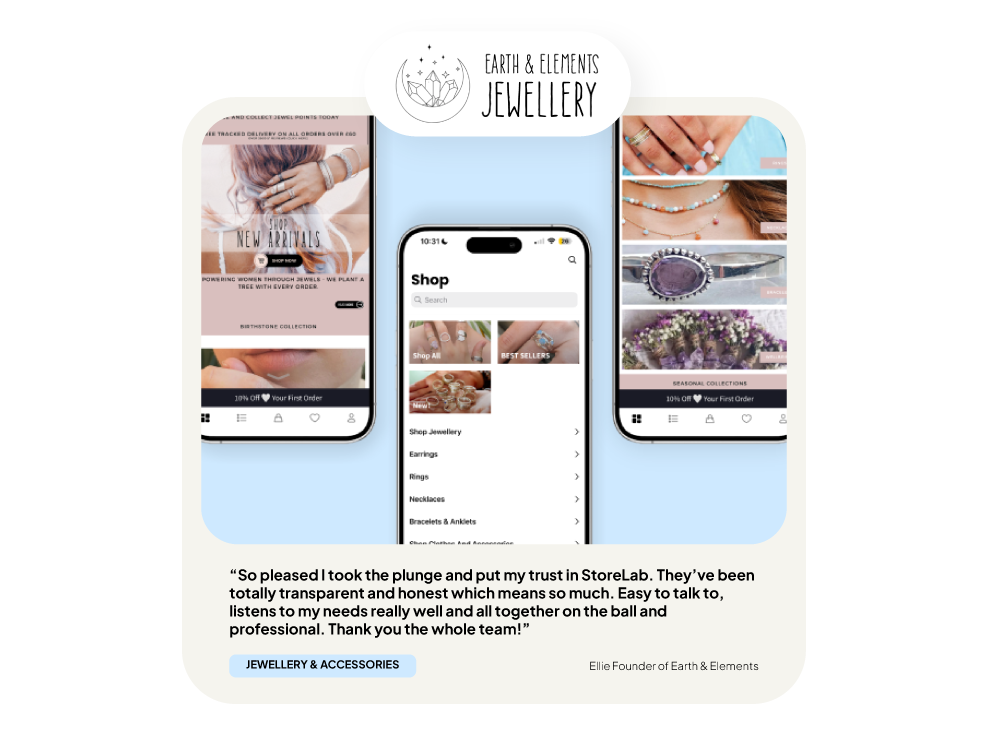
Earth & Elements Jewellery
Earth & Elements Jewellery is a conscious lifestyle brand offering sustainably sourced crystal jewellery and wellness products that promote spiritual growth, positivity, and connection to nature.
Founder Ellie partnered with StoreLab to launch targeted paid social and Meta ad campaigns aimed at boosting brand visibility and growing sales and conversions.
Since working with StoreLab, Earth & Elements has achieved results like:
- 245% sales growth in the first 90 days
- Increased brand engagement across campaigns
- ROAS climbed from 3x to 7x within 3 months
- Total purchase value doubled in just one month
- 173.96% ROI in 3 months with £26K+ in sales
- Lifetime ROAS of 3.94x, proving Meta ads deliver real results
Learn more about Earth & Elements’ success story here.
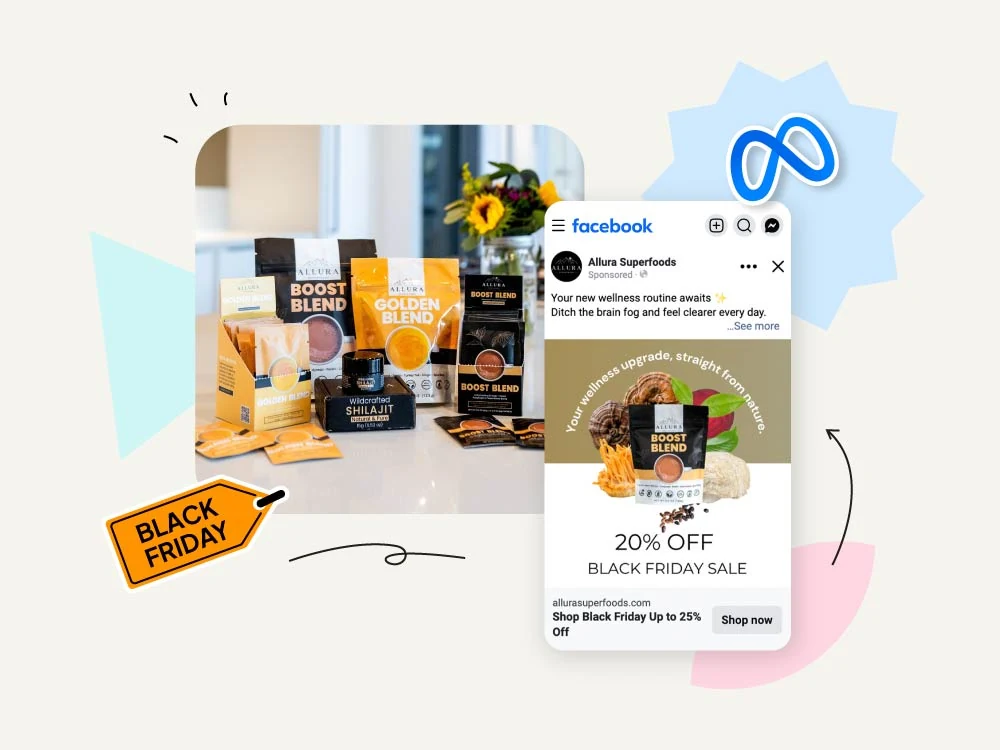
Allura Superfoods Black Friday Campaign
Allura Superfoods is a family-owned wellness brand rooted in the idea that true vitality comes from working with nature, not against it. Their superfood products support sustained energy, cognitive health, and overall wellbeing.
Towards the end of 2024, Allura Superfoods teamed up with StoreLab, choosing our Meta ads package to reach new, high-quality customers. With a strong base of loyal shoppers already in place, the focus was on expanding reach and introducing the brand to fresh audiences in a sustainable and profitable way.
The Shopify Black Friday & Cyber Monday 2025 weekend provided the perfect opportunity. Shoppers were primed to spend, and targeted audiences were actively searching for wellness deals. This period allowed Allura Superfoods to drive immediate sales while also building long-term customer engagement.
The results? Outstanding. While the campaign aimed for a 3x ROAS, it achieved an impressive 9.63x ROAS, highlighting how effective a well-prepared, strategic approach can be.

Skyrocket your Shopify sales with a no-code Apple & Android mobile app. Available now on the Shopify app store.








.webp)

