


If you run a Shopify store, Meta ads are something you can’t afford to ignore, especially heading into 2026.
With billions of people scrolling Facebook and Instagram every day, the opportunity to reach new customers and drive sales is huge.
In this guide, we’re breaking down everything you need to know to get started and succeed: from setting up your store for ads, choosing the right products and audiences, creating scroll-stopping creatives, to scaling campaigns and tracking performance.
By the end, you’ll have a clear roadmap for using Meta ads to not just generate sales today, but build long-term growth for your Shopify store.
And if you want more tailored guidance or want to dive deeper into anything in this guide (and see these benefits for your store) feel free to reach out to one of our Meta ad experts at StoreLab here.
For now, let’s jump in!

What are Meta ads? (And why they’re so powerful)
Meta ads are the paid ads you run across Facebook, Instagram, Messenger, and the wider Meta ecosystem. They let you show your products to people while they’re scrolling, discover new brands, and engage with content.
According to Statista, 83% of marketers worldwide use Facebook, which says a lot about how big and effective the platform is.
What really sets Meta ads apart is the combination of reach and precision, you can target people based on the exact interests, behaviors, and signals that matter for your niche.
For Shopify stores, this means you can do far more than just drive traffic. As you’ll learn throughout this article, Meta ads can bring in immediate sales when the right shopper sees the right product, but they also help you build long-term growth by creating engaged audiences, retargeting warm shoppers, and running dynamic ads that show people the exact items they viewed.
You can scale your spend in a controlled, predictable way, so the results build steadily rather than spike and disappear; it’s built to grow alongside your store,
This is exactly why Meta ads are one of our core services with StoreLab’s Shopify growth plan offerings. They give brands a powerful, flexible, and reliable way to turn interest into revenue and keep momentum going month after month.

Why Run Meta Ads for Your Shopify Store
Immediate and scalable reach
With 3.07 billion monthly active users and 2.11 billion logging in daily, Meta gives your Shopify store instant access to a variety of users, so your products can reach a massive audience right away. That daily activity (around 68.7% of users online every day) means your ads are visible consistently, not just once in a while.
Whether you’re testing a new product drop or scaling a best-seller, this reach is flexible and scalable. You can start small, see what resonates, and then expand, making growth both fast and manageable.
Advanced audience targeting & retargeting
Meta’s ad platform is all about precision. You can target users based on demographics, interests, behavior, or even previous website activity.
Retargeting visitors who abandoned carts or creating lookalike audiences from your best customers ensures your ad spend reaches the people most likely to buy. The platform helps you to optimize campaigns automatically, so every coin spent works harder. This way, you know exactly who’s most likely to convert, without the guesswork.
Fast traffic and sales potential
One of the best things about Meta Ads is how quickly they can drive traffic and sales. For Shopify stores, that translates into testable campaigns, quick feedback loops, and faster ROI.
In fact, 29% of marketers say Facebook gives them the biggest ROI of any social platform. Quick wins like these let you double down on strategies that work while experimenting with new products or offers.
Plus, 65% of people click on ads when they’re looking to make a purchase, so if your ad shows exactly what they’re looking for, you could be the store getting their click-through and sale.
Brand awareness and trust-building
Meta Ads are about growing your sales, but they also do more, they build long-term growth like recognition. Seeing your brand repeatedly in feeds establishes credibility and familiarity, which is key for e-commerce.
Over time, these impressions help potential buyers feel comfortable enough to click, trust, and purchase. The more visible your store is across Facebook and Instagram, the more it becomes part of your audience’s buying habit.
Measurable & data-driven results
Meta ads give you accurate and valuable metrics on impressions, clicks, conversions, and cost-per-action (CPA). You can see exactly what’s working, tweak underperforming campaigns, and make smarter decisions for your Shopify store.
Remember, data is for more than just reporting, it’s like a roadmap to growth. With clear numbers, you can justify ad spend, optimize messaging, and even forecast sales. Every campaign becomes a learning opportunity, so you’re not just spending or wasting money but collecting valuable insights for your business.
How Meta ads fit into your full Shopify growth strategy
Meta ads can perform well on their own, driving traffic, sales, and brand awareness effectively. But they work best when woven into your full marketing strategy.
They amplify the reach to your Shopify mobile app and website, and complement other marketing efforts like email, social media, or partnerships. They also support your organic growth strategies like SEO by putting your store in front of more eyes that are likely to choose to visit you themselves down the line.
So integrated across all channels, Meta ads will bring clicks, as well as strengthen every part of your Shopify growth strategy.

6 steps to prepare your Shopify store for running Meta ads
1 - Install the Meta Pixel & Conversions API
Before running ads, make sure you’re ready to track performance. Installing the Meta Pixel and Conversions API ensures you capture important user actions like purchases, add-to-carts, and sign-ups. This data powers retargeting campaigns, optimizes delivery, and helps you understand exactly which ads are driving results.
Without it, you’re basically flying blind; your campaigns might get clicks, but you won’t know what’s actually converting.
2 - Product catalog setup in Shopify
A well-organised product catalog is key for Meta ads. Make sure every item has accurate titles, descriptions, pricing, and images.
This allows dynamic product ads to pull the right products automatically, showing the right offer to the right audience. It also keeps your ads looking professional and credible, which helps increase click-throughs and conversions.
3 - Tracking events
Set up event tracking for critical actions like purchases, add-to-cart, and lead sign-ups. These events feed data back to Meta for optimization, letting the algorithm find high-value customers faster.
This way, you’re spending your ad budget wisely, rather than guessing which campaigns are the most effective.
4 - Have fast-loading, mobile-first pages
79% of traffic to Shopify stores comes from mobile, so most shoppers browse and buy on mobile. Therefore, your website pages need to load quickly and display perfectly on any device.
Slow pages kill conversions and increase ad costs. Use lightweight themes, compress images, and test speed/ Fast, mobile-friendly pages not only improve ad performance but also keep your visitors happy. You should also consider getting a mobile app for your Shopify store - learn why.
5 - Set up clear navigation & trust signals
Make it easy for shoppers to find what they want, and feel good about buying it. Clear menus, search bars, and category filters go a long way. Sprinkle in trust signals like reviews, security badges, and easy return policies so people know your brand is reliable.
When people feel like they can trust your store and can navigate it quickly, your Meta ads perform better because clicks are more likely to convert into sales and word-of-mouth marketing.
6 - Create high-converting product & landing pages
Finally, design product and landing pages with conversions in mind. Strong images, compelling benefits, persuasive copy, and clear calls-to-actions matter. Test layouts, headlines, and offers to see what resonates.
High-converting pages maximise the ROI of every Meta ad spend, turning clicks into real revenue.
Having solid landing pages and product pages is vital for your Meta ads to really perform. If you feel like you’re lacking in these areas, or just want to make sure your product pages are the best they can be, our team at StoreLab and our expert creative service are here to help. Give us a shout to learn more.

How to run successful Meta ad campaigns for your Shopify store
Understanding the Meta ad campaign structure
Meta ads are structured like a nested hierarchy: Campaign → Ad Set → Ad. The campaign is your big-picture goal, like improving sales or traffic. Inside it, ad sets define audiences, budgets, and placements. Finally, the ads themselves are the creative - the images, videos, and copy your audience actually sees.
Understanding this hierarchy makes managing campaigns less overwhelming and ensures you’re targeting the right people with the right message at the right time.
Choosing the right campaign objectives
Picking the right objectives is everything. Are you aiming for traffic, leads, sales, engagement, or retargeting? Each objective tells Meta’s algorithm what to optimize for, so the platform knows whether to show your ad to people likely to click, convert, or interact.
For Shopify stores, most merchants focus on sales or traffic, but strategies like a retargeting campaign can catch the attention of those who’ve previously browsed your products or abandoned their carts (which we’ll discuss more about later).
The goals you choose set the stage for your ad success.
Knowing & targeting your audience effectively
The key to Meta ads success is knowing exactly who you’re talking to. Start with core audiences - think demographics, interests, and behaviors. These let you reach broad groups who are likely to be interested in your products, like fitness or health & beauty enthusiasts.
Next, layer in custom audiences. These are gold because they’re already familiar with your brand: past website visitors, video viewers, or email subscribers. Custom audiences are perfect for retargeting campaigns, nudging people who are already considering a purchase.
Want to get really strategic? Narrow and layer your targeting. Combine interests with behaviors, or retarget website visitors who also engaged with your Instagram content.
There’s some common mistakes to watch out for. Avoid targeting too broadly, which can burn budget on people who’ll never buy, but don’t layer so many restrictions that your audience becomes tiny - Meta’s algorithm needs room to optimize. And resist the temptation to guess what your audience wants; test and iterate instead and always use your data to understand what your audience actually wants so you can show them the right products at the right time. Even small adjustments in targeting can make a huge difference in performance.
Ad copy best practices
Your ad copy needs to grab attention immediately. Start with headlines that hook; AdEspresso found that after analysing 752, 626 ads the median Facebook ad headline is just 5 words, so make each one count.
We recommend using a strong hook that stops the scroll, and mix emotional triggers (desire & FOMO) with logical triggers (features, benefits, & savings). Pair this with clear, actionable CTAs - Databox notes the most popular buttons are ‘Learn More’, ‘Contact Us’, ‘Sign Up’, ‘Call Now’, and ‘Download’.
High-converting creative formats
Visuals matter!
You could use a range of static images, short-form videos, lifestyle shots, or demos to show your product in action.
67.55% of Facebook advertisers say videos drive more clicks than other content types. Reels are particularly effective, with 79% of users reporting buying a product after watching a Reel, according to Meta.
And UGC-style ads like unboxings, testimonials, and reviews build trust fast, especially since 90% of consumers read online reviews.
Carousel, collection, & dynamic product ads
Use carousel ads to highlight multiple products or features, collection ads to create a storefront experience, and catalog/dynamic product ads for automated retargeting.
We suggest utilising these formats because they make it easy to show people exactly what they’re most likely interested in, without the ad feeling pushy or forced.
Urgency and scarcity
Visual and copy cues for urgency and scarcity gently nudge people to act faster and make buying decisions on the spot.
Limited stock banners, countdown timers, or phrases like “Only 10 left” or “Sale ends tonight” can encourage people to shop before it’s too late.
Even subtle cues, like emphasising trending or popular items that are selling fast, make a difference.
Choose the right products, offers, & promotions
Picking the right products to advertise starts with looking at what already works. Bestellers, high-margin items, and products with strong reviews are usually your safest bet. These are proven products, so you’re not forcing demand, you’re tapping into it.
Offers make your ads harder to ignore. Bundles encourage shoppers to buy more at once, which boosts AOV, discounts give them a clear reason to purchase and limited-time offers create a sense of urgency. Flash sales work especially well because they create urgency, while still feeling exciting rather than pushy or too sales-y.
Seasonal and event-based campaigns should feel natural, not forced. Tie your products into holidays, gifting moments, key shopping events, trends, or customer behaviors (like back-to-school or Shopify Black Friday Cyber Monday).
When your products, offers, and timing all like up, ads feel truly valuable and helpful to your audience instead of just another generic promotion.
Retargeting & segmentation strategies
Retargeting is one of the most reliable ways to turn interest into actual sales. In fact, customers are up to 70% more likely to purchase a product when retargeting with display ads, which makes it a must-have in your Meta strategy.
Start by segmenting your audience so each group gets messaging that actually matches where they are in the buying journey. Website visitor retargeting is your lowest-hanging fruit because these people have already shown intent.
Go a step further with add-to-cart and checkout abandoner campaigns, which often bring in quick wins because the shopper was already so close to buying.
You could also target past buyers with upsells and cross-sells, or bring in your email lists to retarget warm contacts in a more personalised way. And that personalisation pays off: embracing personalised advertising can increase the efficiency of your campaigns by up to 30%.
When each segment sees ads that feel relevant, timely, and useful, your retargeting becomes far more effective.
Scaling your campaigns with lookalike audiences
Lookalike audiences help you reach new people who behave like your best customers - making scaling much smoother.
Start with a strong seed audience: past buyers are ideal because Meta can analyse what real customers have in common. Even better, use high-LTV customers so Meta finds people likely to buy and stick around.
You can also build lookalikes from email subscribers, highly engaged users, or people who interact with your ads and content. These groups already show interest, so their lookalikes tend to convert at a solid cost.
Once your core campaigns are performing, lookalike audiences let you grow beyond warm traffic while keeping results stable, so you can grow and scale without your numbers accidentally going sideways.
Budgeting & scaling your Meta ad campaigns
Setting the right budget is key to seeing results without overspending. Start with a sensible daily and monthly budget that aligns with your goals and store size.
Understand the difference between campaign budgets (overall spend for a campaign) and ad set budgets (how much each audience or placement gets). This helps you control where your money goes.
Scheduling is also important! Test different times of day and days of the week to see when your audience is most active and likely to convert. Once you gather performance data, you can increase spend on top-performing campaigns and scale back on underperformers.
The aim isn’t just about spending more, it’s about spending smarter. Proper budgeting and scheduling make your campaigns predictable, manageable, and poised to deliver consistent results as you grow.
Monitoring & optimizing Meta ad performance
To get the most from your Meta campaigns, tracking the right metrics and testing creatively is crucial. Keep an eye on these numbers:
- ROAS (Return on Ad Spend): How much revenue you earn from every dollar spent on your ads - your core measure of profitability.
- ROI (Return on Investment): Overall profitability of your campaigns, taking all costs into account.
- CTR (Click-Through Rate): The percentage of people who click your ad after seeing it - a signal of how engaging your creative is.
- CPC (Cost Per Click): How much each click costs, helping you manage your budget.
- CPA (Cost Per Action): Cost per conversion, like a purchase, sign-up, or other goal.
- Conversion Rate: The percentage of clicks that turn into your desired action.
Note: Our guide, Top Metrics to Track for Your Shopify Store’s Meta Ads, goes into these measures in more detail.
Try using A/B testing to experiment with headlines, visuals, and CTAs to see what really clicks with your audience. Kill underperforming ads quickly so you’re not wasting budget, and scale winning ads by increasing spend or expanding to new audiences.
Remember to monitor, test, and refine your Shopify store’s Meta ad campaigns as you go so that your efforts stay profitable and continue improving over time.

Common mistakes to avoid
Even the best Meta campaigns can hit roadblocks if you’re not careful. Avoiding these common mistakes can save you resources, frustration, and wasted time - and help you ads actually perform the way they’re supposed to.
- No strategy or tracking: Running ads without clear goals or proper tracking is like throwing money into the wind. You won’t know what’s working, what isn’t, or where to make improvements. A clear plan and strategic tracking are the foundation of every successful campaign.
- Scaling too fast: Pouring money into campaigns before they’re proven can waste resources. Instead, let the data guide your growth; scale gradually once you know what’s actually performing.
- Ignoring creative trends or refreshes: Ads go stale fast. Refresh visuals, formats, and messaging regularly to keep your audience engaged and prevent ad fatigue.
- Overcomplicated targeting: Layering too many restrictions can shrink your audience and confuse Meta’s algorithm. Keep targeting clear and focused so your ads reach the right people.
- Not testing enough variations: Headlines, images, videos, and CTAs all perform differently. Test consistently to see what resonates and optimize for better conversions.
Tips from our Meta ad experts at StoreLab
Brand Building
"The strongest Meta performance comes from brands that balance short-term conversions with long-term brand building. Creative that builds trust and memorability does more than just lift brand metrics. It stabilises CPAs, reduces fatigue, and drives more efficient growth over time for our Shopify clients." - Harrison, Performance Marketing Specialist
Consistency
“What I’ve seen across my clients is that consistency really compounds over time. When campaigns run steadily, it gives the Meta algorithm the space it needs to learn and allows the funnel to properly fill. When clients stay consistent with both their campaign budgets and content supply, that’s when Meta finally has the signals it needs to start delivering real results. It’s the clients who buy into the journey (not just the destination!) who end up seeing the best outcomes.” - Tom, Account Management Team
Authenticity
“Authentic content performs so well on Meta because people can instantly tell when something feels real. Ads that look and feel like the content they’re already engaging with tend to build trust faster, stop the scroll more often, and usually outperform overly polished creatives. At the end of the day, people connect with real people.” - Lea, Account Management Team
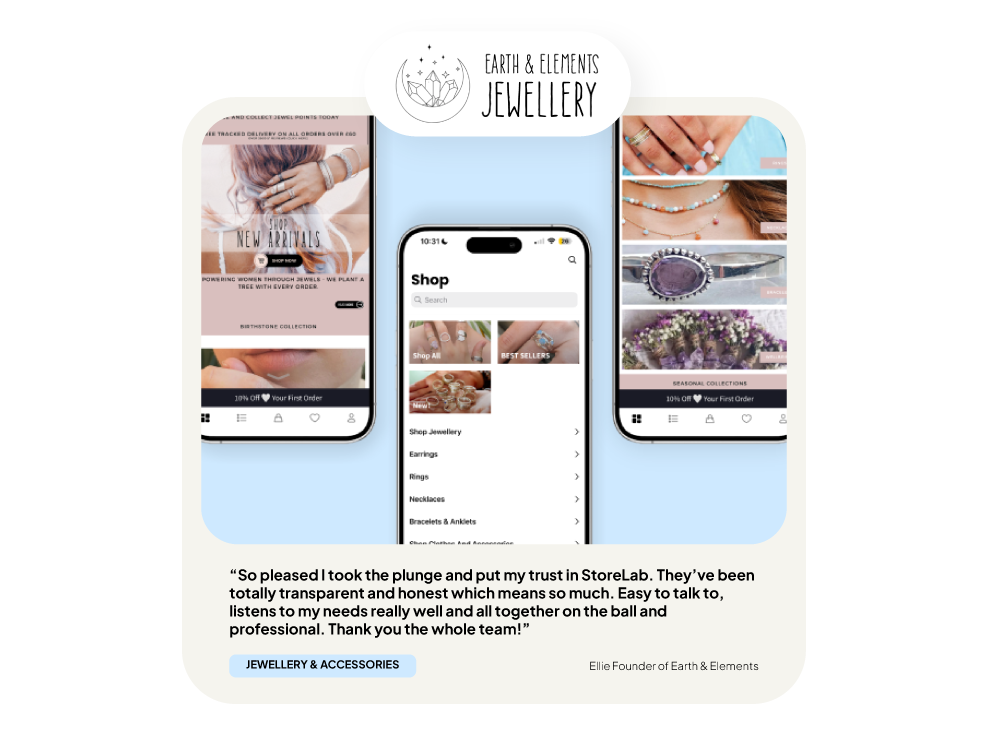
Success Story - Earth & Elements Jewellery
Earth & Elements is a conscious lifestyle brand offering sustainably sourced crystal jewellery and wellness products that promote spiritual growth, positivity, and connection to nature.
Founder, Ellie, partnered with StoreLab to launch targeted paid social & Meta ad campaigns to boost brand visibility and grow sales & conversions.
Since working with StoreLab, Earth & Elements has seen results like these…
- 245% sales growth in the first 90 days
- Boosted brand engagement across campaigns
- ROAS climbed from 3x to 7x within 3 months
- Total purchase value doubled in just one month
- 173.96% ROI in 3 months with £26K+ in sales
- Lifetime ROAS of 3.94x, proving Meta ads bring real results
Learn more about Earth & Elements’ success story here.
FAQs
What are Meta ads and how do they help Shopify stores grow?
Meta ads are paid ads that run across Facebook, Instagram, Messenger, and the wider Meta network. For Shopify stores, they’re a powerful way to get your products in front of the right people, drive sales, retarget past visitors, and build brand awareness all at the same time.
Are Meta ads actually worth it for Shopify businesses?
In short, yes. Meta ads for Shopify stores combine massive reach with very precise targeting, which means you can reach people who are genuinely likely to buy. They’re great for bringing quick wins, but they’re just as valuable for long-term growth through retargeting and audience building.
How much should I spend on Meta ads for my Shopify store?
There’s no fixed number that works for everyone. Most Shopify stores start with a sensible daily budget, test what performs well, and then scale gradually. The goal isn’t to spend more fast, it’s to spend consistently and increase budget once the data proves it’s working.
What do I need to set up before running Meta ads?
Before launching Meta ads, your store should be fully prepared. That means installing the Meta Pixel and Conversions API, setting up event tracking, organising your product catalog, optimizing your site for mobile, and adding trust signals like reviews and clear navigation.
What are the biggest Meta ad mistakes Shopify stores should avoid?
Some of the most common mistakes include running ads without proper tracking, scaling too quickly, overcomplicating targeting, letting creatives go stale, and not testing enough variations. Avoiding these pitfalls can save budget and dramatically improve results.
Final thoughts
We hope this guide has given you a clear, detailed look at how to run Meta ads for your Shopify store.
If you’re ready to take your store to the next level, contact our friendly team StoreLab today to learn how we can help you optimize your Meta ads, build a custom Shopify mobile app, and provide expert creative services.

Skyrocket your Shopify sales with a no-code Apple & Android mobile app. Available now on the Shopify app store.







.webp)

